Did you know that allergies to food ingredients and environmental allergens such as grass and dust mites are extremely common in dogs and cats in Singapore? Learn how you can spot signs of skin allergies in your pet.
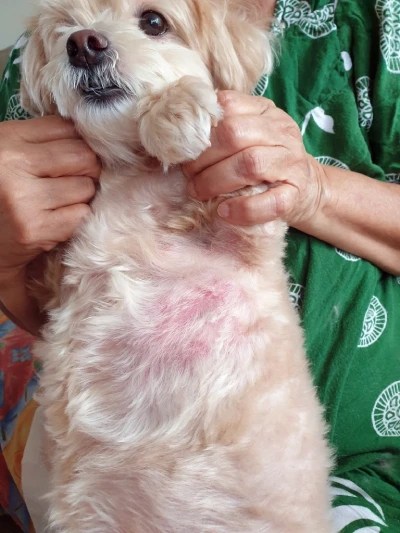
Is your cat scratching himself excessively or overgrooming himself? Does your dog lick her paws often? Do you notice red, flaky, inflamed skin or fur loss (bald patches) in your pet, or perhaps detect a yeasty smell?
Skin issues — in particular, skin allergies — are one of the most common medical ailments among furkids in Singapore.
The discomfort and itch can leave your pets scratching incessantly, sometimes causing their sensitive skin to get irritated, inflamed, bleed, and vulnerable to other infections.
At Paws N’ Claws Veterinary Surgery, our veterinary team sees patients coming in with skin conditions on a daily basis. Most of the time, the diagnosis is a form of allergy.
What causes allergies in dogs or cats?
An allergy is a reaction caused by an element known as an allergen. It can affect your pet’s respiratory, dermatological, and gastrointestinal health. Skin allergies are also known as allergic dermatitis.
There is a wide variety of allergens or irritants that can cause a reaction in your pet. Among the most common are food ingredients, environmental allergens, and the saliva in flea bites.
Many dogs and cats can develop allergic reactions to food items or things in the environment, be it at home or outdoors.
Often, pet owners may miss the signs. For example, you might mistakenly think your dog is licking his paws simply because he’s bored — but most of the time, your dog is actually feeling itchy at his paws!

1. Food allergy
Similar to humans, many pets are sensitive to certain food ingredients, which can cause them to have an allergic reaction and feel itchy.
Food allergies usually manifest after your pet has been eating the same brand or type of food for a long time. This means that even if your dog or cat has been consuming an ingredient for a prolonged period, that ingredient can still cause an allergy at some point in your pet’s life.
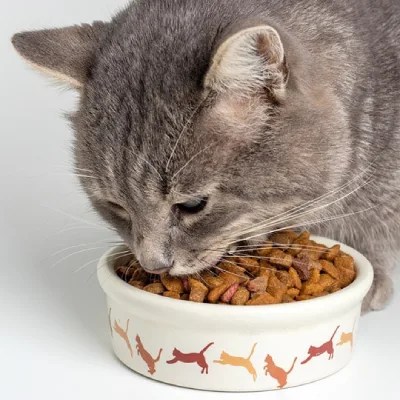
In cats, the foods typically associated with their allergies include beef, fish, chicken, and daily products (such as milk, cheese, butter).
In dogs, the most common food allergens tend to be proteins, especially beef, dairy products, chicken, chicken eggs, lamb, and wheat.
With that being said, please note that almost any food can potentially cause an allergy. While proteins are the culprit most of the time, other substances and additives can also be responsible for your furkid’s skin issues.
2. Environmental allergens
Substances like grass, mould spores, pollen, fungi, and other environmental allergens may seem harmless to you, but they can actually bring on allergic reactions in pets.
At homes, there are also allergens that may affect your dog or cat. Indoor environmental allergens include house dust mites, perfume, smoke, certain cleaning products, and prescription drugs.
3. Flea bites
When fleas bite and feed on a host animal, their saliva (which contains antigens) is injected into the dog or cat. Flea allergy dermatitis or flea bite hypersensitivity will arise when the pet’s immune system overreacts to the saliva.
This can make the affected dog or cat very itchy, especially at the base of the tail. Besides itching, there may be fur loss, inflamed skin, restlessness or agitation, and crusty or weeping patches of skin.
Such conditions show the importance of flea and tick prevention for your pet. Flea and tick prevention, also available at our premises, can be as simple as a topical application or an oral pill.
What are signs of skin allergies in cats and dogs?
Some symptoms of skin allergies in your pet may include: itching, scratching, licking (especially compulsive paw licking in dogs), redness, irritated skin, flaky skin, tough skin, patchy fur or inconsistent hair loss, sores, rubbing of face or ears, excessive scratching, excessive licking, chewing or biting the skin, butt scoots or licking of anal glands, and chronic ear infections or red waxy ears (common for dogs).
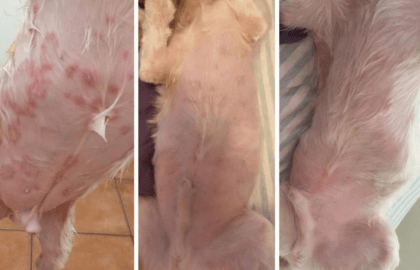
At Paws N’ Claws Vet, one of our patients, Tango, came in with itchy, red, flaky skin with pustules and collarettes (circular lesions). Dr Esther diagnosed him with atopic dermatitis and secondary pyoderma (infection).
Atopic dermatitis is an inflammatory, chronic skin disease associated with allergies. These allergic reactions can be brought on by substances in the environment such as grass or dust mites.
Dogs with an allergic reaction may scratch their ears and lick their paws. Clues may also appear around their eyes, muzzle, underarms, wrists, ankles, and between toes. They could also show gastrointestinal symptoms such as diarrhea and vomiting.
Is your cat overgrooming or experiencing hair loss? Cats with allergies often have chronic, year-round itching and skin inflammation. Usually, their skin itches primarily around the head (face, ears) and neck area, though the itching can also erupt around the belly, underarms, paws, legs, and private areas. Respiratory issues, such as difficulty breathing, coughing, or wheezing are also common allergy symptoms in cats.
Cats often feel so itchy that they start to overgroom themselves, which can result in wounds, abrasions, and fur loss. These secondary skin wounds make your pet vulnerable to a bacterial infection.
Learn more about feline allergic dermatitis in our article.
Treating skin allergies in your pet
Skin allergies cause discomfort and itching. In addition, if your pet has a severe allergy, there is also a risk of a secondary infection developing. This is because as your dog or cat bites, scratches, or licks his skin, yeast and bacterial infections can invade through sores.
The good news is, both mild and severe skin allergies can be treated in a variety of approaches.
Most pet owners may be familiar with steroids like prednisolone or cortisone. These are sometimes also prescribed in combination with antihistamines. However, while these medications are effective and quick to act, this approach leads to:
- Hormonal imbalances
- Thirst
- Hunger
- Urinary tract infections (UTIs)
- Liver disease
- And a host of other health problems in the long term.
Other alternative allergy medications include: pill (Apoquel) and injection (Cytopoint). The injection tends to last for 1-2 months. Both of these medications are much safer and just as effective as steroids against allergies. However, the downside to them is that as soon as the pet stops taking these drugs, the skin inflammation will return — this can show up as paw licking again, ear itching again, and skin redness.
What is allergy testing?
Importantly, allergen testing is specific and will generate a report on the type of food your pet may be reacting to (e.g. the HESKA Food Reaction Test), or whether he or she has any environmental allergies (e.g. HESKA Allercept IgE test). When you’ve identified the allergens, you can then remove them from your home or limit exposure to these allergens in your day-to-day routines.
You may also consider immunotherapy (injectable or oral) to enable your furkid to build immunity against the allergens. This works by training your pet’s immune system to not recognise the allergens as foreign and then to not react to them.
If your pet is more than 12 months old and experiencing a flare-up, the HESKA blood test is a reliable way to diagnose exactly what they are allergic to. With a report, the HESKA blood test produces tailored immunotherapy that you can give to your pet to desensitise them to the allergens.
Should you consider HESKA allergy testing and desensitisation? This can be a great option and should be discussed with your vet if: 1) drug therapy is not enough to improve symptoms, 2) you want your pet to reduce his reliance on allergy drugs, and 3) you want to reduce the number of repeat/recurring visits to the vet for skin issues.
That said, as with all medications and procedures, the suitability can vary from pet to pet. A consultation with your primary veterinarian is ideal.
To check out our latest packages or promotions, click here.
Fear-Free medical grooming
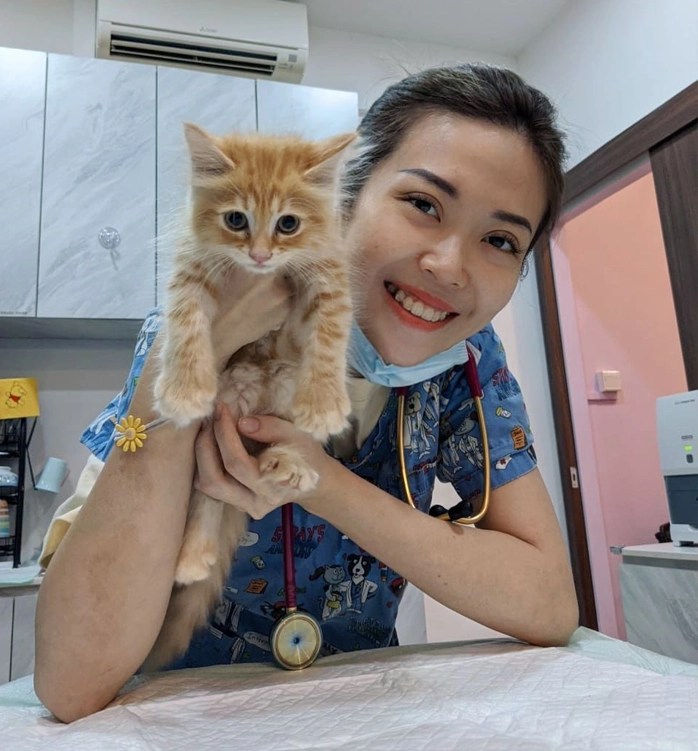
For a detailed consultation and diagnosis of your pet’s skin issues, and to identify the allergens causing your furkid’s symptoms, book an appointment with us at Paws N’ Claws Veterinary Surgery (Medical Grooming Centre).
After diagnosis, our veterinary team will provide a custom treatment plan to best help manage and soothe your pet’s skin condition.
Our facility is co-located with the Yishun branch of Paws N’ Claws Veterinary Surgery (PNC) vet clinic.
We are equipped with a wide range of facilities to provide Fear-Free medical grooming services for your pets, including skin diagnostics such as allergy testing, basic hygienic grooming, and medical baths.
 Medical Grooming Centre