Noticed painful pimples, abscesses, or boils on your dog’s skin, especially between the toes? It may be a skin disease known as furunculosis. Learn about the symptoms, causes, and treatment for your pup.
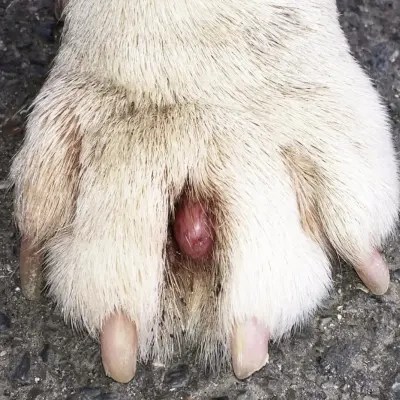
What is furunculosis in dogs?
Furuncles, commonly known as “boils”, are painful pus-filled bumps on the skin that affect both humans and animals. Infection and inflammation of the deep layers of skin surrounding the hair follicles cause an abscess to form while pus and necrotic tissue accumulates.
Furunculosis refers to the skin disease where the dog has furuncles or boils that are filled with pus. The boils tend to recur, typically on the nose, around the anus, back, abdomen, legs (particularly the lateral thigh), paws, and muzzle.
Other symptoms of furunculosis in your furkid include:
- Pain
- Pus and/or bloody discharge oozing from the boils
- Over-grooming where the infection is located
- Swelling or inflammation of tissue in the area that is infected
- In anal furunculosis, there may be straining when defecating
- Limping on the leg or foot that is affected
- The boils tend to develop quickly and lead to ulcerated skin
- Lesions in skin where there is hair will often be covered by crusts
- More advanced cases may lead to boils throughout your dog’s body
Boils between the toes: interdigital furunculosis 🐾
The different types of furunculosis in dogs depends on the location where it occurs. One of the most common is interdigital furunculosis, which is on the paws and affects the areas between the toes. This happens when the hair follicles in between toes become irritated or traumatised.
Furunculosis also often occurs around the anus or along the dog’s back — the latter is often known as post-grooming furunculosis.
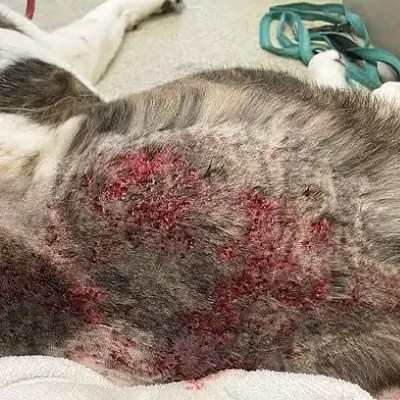
For interdigital furunculosis, the most common cause is a deep bacterial infection. Another possible primary cause of interdigital furunculosis is demodicosis, a skin disease caused by parasitic Demodex mites that live in the hair follicles of dogs. Canine atopic dermatitis, a form of eczema which leads to the dog’s skin becoming itchy and dry, is also a typical cause of recurrent interdigital furunculosis.
What contributes to this skin condition in dogs? 🤨
Many dogs are predisposed to the skin disease of interdigital furunculosis due to various factors:
- Coat type: Dogs that are short-coated, coarse-coated, or of a larger breed are more likely to develop the condition. Short bristly hairs are easily forced backwards into the hair follicles, and hair (or keratin) is very inflammatory on the skin.
- Paw shape and obesity: Dogs that are overweight or have larger and wider paws bear a lot of weight on their paws.
- Altered gait: Dogs with arthritis or other conditions that change their normal gait will put more pressure on their paws, which contributes to the formation of painful pus-filled bumps there.
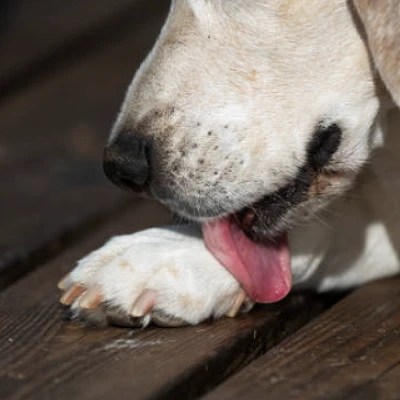
- Allergy: Dogs with pruritus (itch) that manifests as excessive paw licking are predisposed as well. These include furkids with atopic dermatitis (environmental allergies) and/or cutaneous adverse food reaction (food allergies).
To learn more about skin allergies in pets, refer to this article.
Other factors or causes of the skin issue, furunculosis, include the Demodex mites or a secondary bacterial infection — when the boils or lesions are chronic, they rupture, and thus can become secondarily infected. Infection then invites more licking, and in turn, hair follicles may rupture.
Treatment of idiopathic furunculosis 💊
Upon diagnosis, your veterinarian will likely recommend antibiotics and topical antimicrobials. In many cases, antibiotics are given for a long period of time.
Other possible recommendations include:
- Keeping the infected areas clean
- Trimming the hair in or near the area(s) where the boils are located to allow the discharge to be cleaned
- Using an antibiotic skin wash
- In interdigital furunculosis, surgery to remove foreign bodies
- In anal furunculosis, surgery to remove tracts that have developed under the skin
- Resolve all secondary infections – infection contributes to severity, and it is important to treat any infection with antibiotics until the infection is resolved. Bacterial culture and antibiotic sensitivity testing often guides this therapy.
- Identify and control primary allergic diseases
In the event that the treatment is not successful, it is often due to insufficient dose or duration of antibiotics. Other reasons for unsuccessful treatment may include your dog taking corticosteroids while receiving treatment for furunculosis.
Recovery of idiopathic furunculosis 🩹
While your dog is undergoing treatment, be sure to keep the infected areas well ventilated and dry.
In addition, it is important that you maintain proper hygiene for your dog and provide them with a diet that meets their nutritional needs in order to boost his immune system. This will help him better fight his infection.
With treatment, you will typically notice symptoms receding within 4 to 12 weeks. It is fairly typical for symptoms to recede and then reoccur during treatment.
If your dog is predisposed to furunculosis, they will likely experience relapses. As furunculosis has a high likelihood of recurring, your veterinarian will probably recommend regular follow-up visits. In some cases, the dog will require antibiotics throughout their life.
Fear-Free medical grooming & veterinary care

Skin diagnostics services and treatment of skin issues are services we offer at Paws N’ Claws Veterinary Surgery (Medical Grooming Centre) in Singapore. Aside from grooming services, learn more about the veterinary services provided by Paws N’ Claws Vet.
Paws N’ Claws Veterinary Surgery (Medical Grooming Centre) is led by Dr Esther Lam, a Fear-Free certified veterinarian who prioritises your pet’s emotional and physical well-being.
Our team will work with you and guide you through the steps to make your pet’s visit visit as Fear-Free and pleasant as possible.
At our facility, the professionals involved in your pet’s care include vet nurses, technicians, and medical groomers. Veterinarians also play a part in your pet’s medical grooming care when necessary, such as in diagnosing, consulting, and prescribing medications for conditions such as ear infections.
To view our packages or promotions, click here.
 Medical Grooming Centre